Community livelihood development program
Sustainable Livelihood Development & Community Empowerment • 2025

Community Livelihood Models

Building resilient and sustainable livelihood systems through community-driven economic development, capacity building, skill enhancement, and nature-based enterprise opportunities. Strengthening household income security, reducing vulnerability, and fostering inclusive economic growth for rural and coastal communities.

4,500+
Households Supported
Coastal and rural communities strengthened through livelihood diversification and economic resilience
38
Community Enterprises Established
Locally owned sustainable businesses generating income and employment for community members
12
Livelihood Programs Implemented
Comprehensive skill development, training, and enterprise initiatives addressing community priorities
6,800
Beneficiaries Trained
Individuals gaining vocational skills and entrepreneurship capacity enabling long-term economic security

Overview

Community Resilience & Livelihood Framework

The Community Livelihood Models initiative represents a comprehensive socio-economic development program designed to strengthen household income security, reduce livelihood vulnerability, and enable sustainable economic opportunities. Integrating participatory planning, skill development, enterprise incubation, market linkage creation, and community-centered capacity building, the program generates measurable income growth and long-term economic resilience supporting household welfare and community prosperity.

Core Approach: Participatory needs assessment and opportunity identification with 4,500+ households; implementation of 12 evidence-based livelihood programs; establishment of 38 community enterprises; vocational and entrepreneurship training for 6,800+ individuals; ongoing mentorship and market linkage support ensuring sustainable income generation and long-term household economic security.

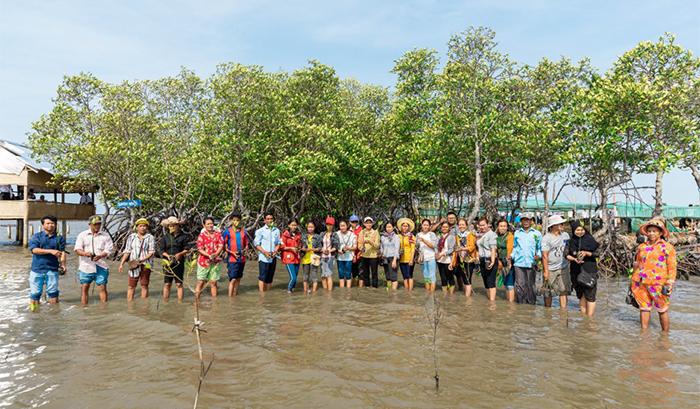
Vulnerable coastal fishing communities

Challenge

Livelihood Vulnerability & Economic Insecurity

Mono-Dependent Livelihoods: Rural and coastal communities depend heavily on single income sources—fishing, agriculture, or casual labor—creating extreme vulnerability to seasonal income fluctuations, resource depletion, and climate variability. Income instability affects household nutrition, education, and healthcare access for 4.5+ million individuals.

Climate-Driven Economic Shocks: Rising sea levels, changing precipitation patterns, and extreme weather events disrupt fishing seasons, crop cycles, and livelihood productivity. Climate-induced livelihood losses exceed 25-40% annually in vulnerable zones, pushing households into poverty and debt cycles.

Limited Opportunity & Youth Migration: Absence of livelihood diversification, entrepreneurial opportunity, and stable employment drives youth out-migration to urban centers, depleting community human capital. Gender inequalities in income access exclude women from economic participation and household decision-making power.

Methodology

Participatory Community Development & Enterprise Framework

The initiative employs rigorous participatory methodology combining community needs assessment, livelihood opportunity identification, capacity building, business incubation, and long-term mentorship to generate sustainable income, community ownership, and measurable household economic improvement.

PHASE 01

Community Needs Assessment

Comprehensive household surveys, focus group discussions, and participatory planning identify income sources, livelihood vulnerabilities, skills, assets, and community-defined economic opportunities informing program design.

PHASE 02

Livelihood Opportunity Identification

Market analysis, value chain mapping, and feasibility assessment identify viable income-generating activities aligned with community skills, local resources, climate realities, and market demand—prioritizing women and vulnerable households.

PHASE 03

Capacity Building & Enterprise Development

Vocational and entrepreneurship training, business planning workshops, financial literacy, and business incubation support—targeting 6,800+ individuals. Community enterprise establishment with equipment provision and initial working capital enabling immediate income generation.

PHASE 04

Monitoring, Mentorship & Scaling

Ongoing business mentorship, market linkage facilitation, performance monitoring, and adaptive program adjustment. Documentation and scaling of successful enterprise models enabling ecosystem-wide livelihood expansion and community prosperity.

Community Development Gallery

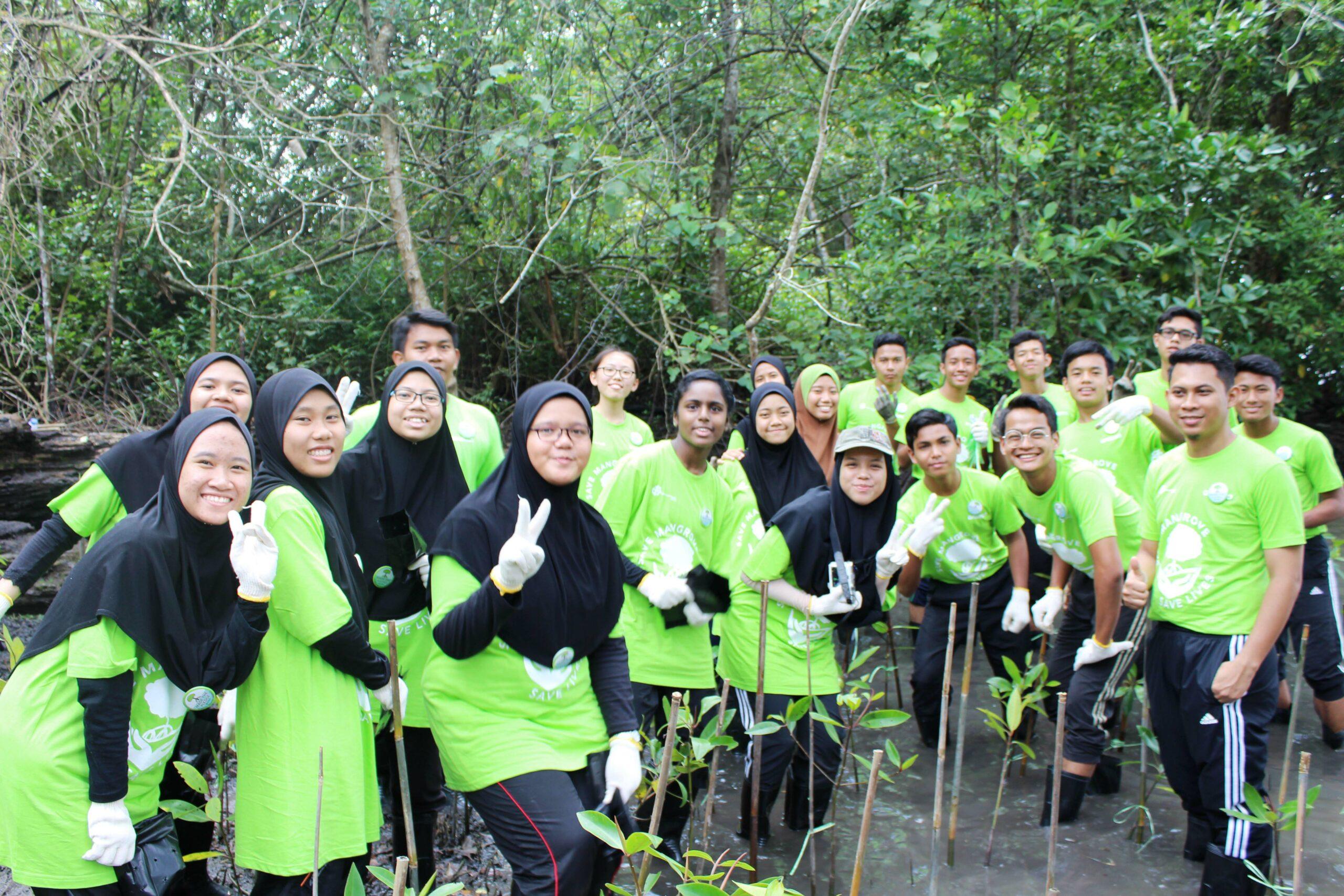
Community skill development workshop
Local participants receiving vocational and entrepreneurship training designed to improve income opportunities and establish sustainable household enterprises within community contexts.
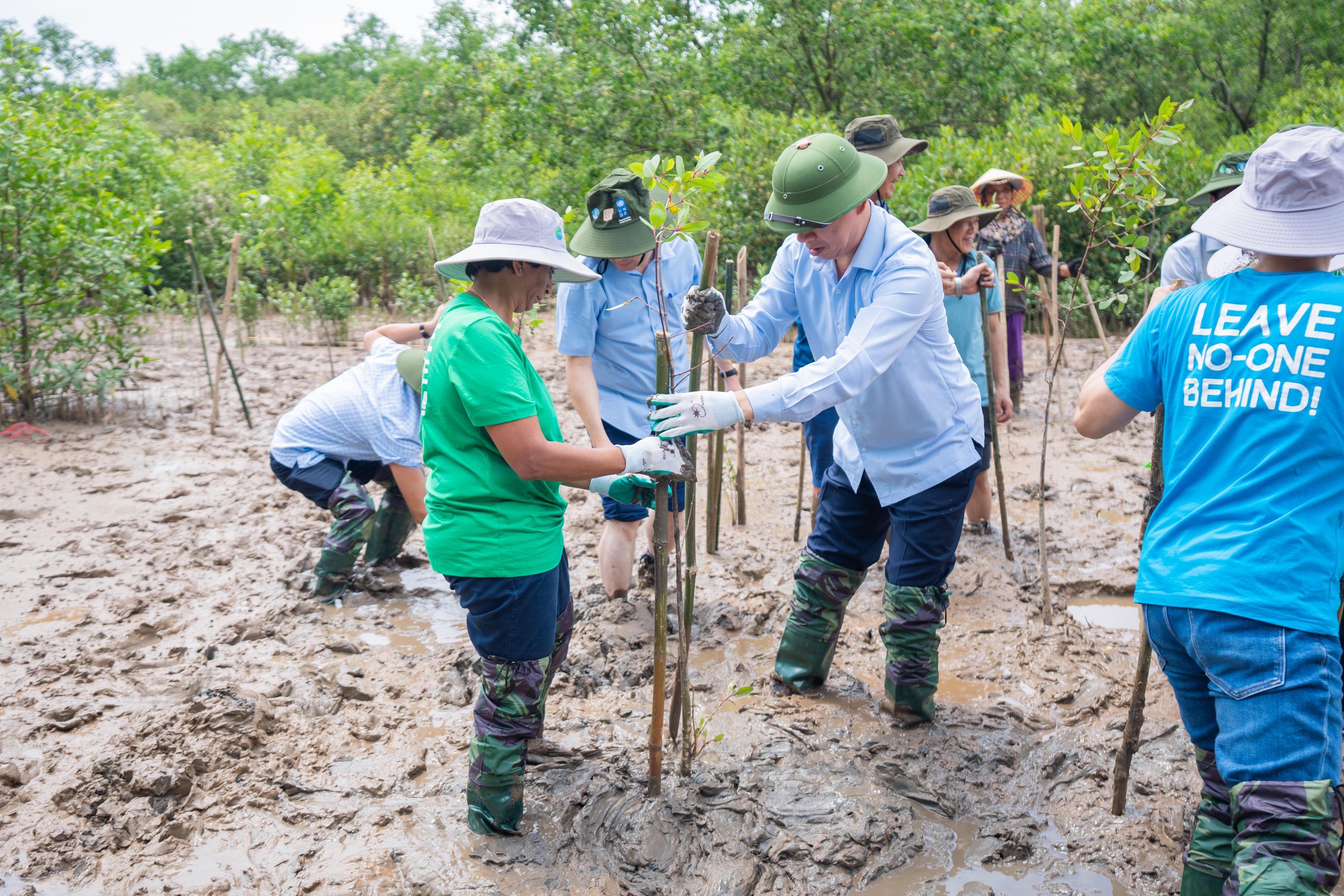
Women-led livelihood initiative
Women's self-help groups and producer collectives managing sustainable enterprises that strengthen household income, enable economic participation, and enhance community financial security.
Community enterprise operations
Locally owned livelihood ventures—agriculture value-added processing, handicrafts, eco-tourism, sustainable fisheries—demonstrating scalable and community-owned economic development models.

Technology Ecosystem

Community Data Intelligence — Participatory information systems and community analytics Livelihood Assessment Systems — Income tracking and household economic profiling GIS-Based Resource Planning — Spatial mapping of assets, markets, and opportunity zones Social Impact Analytics — Measurement and monitoring of livelihood and welfare outcomes Market Intelligence Platforms — Real-time commodity pricing and demand analysis Enterprise Development Tools — Business planning and financial management systems Monitoring & Evaluation Systems — Impact tracking and evidence-based program adaptation Capacity Building Frameworks — Skills development and knowledge management platforms

Outcomes & Impact

✓ Household Income Improved

Average household income increased 45-65% through income diversification, enterprise participation, and improved productivity. Food security improved; healthcare and education access enhanced for 4,500+ households.

✓ Community Enterprises Established

38 community-owned enterprises operationalized across agriculture value-added processing, handicrafts, eco-tourism, sustainable fisheries, and service sectors—generating sustained employment and household income.

✓ Women Economic Participation Increased

Women comprise 60% of beneficiaries; women-led enterprises number 22; women household income contribution increased from 15% to 35%—strengthening household decision-making power and gender equity.

✓ Skills & Capacity Enhanced

6,800+ individuals trained in vocational skills, business management, financial literacy, and digital literacy. Improved employability enabling direct wage employment and self-employment opportunities.

✓ Local Employment Generated

3,200+ direct jobs created through community enterprises and value chains; 2,400+ indirect employment opportunities; youth retention improved through local livelihood opportunity creation.

✓ Long-Term Community Resilience Strengthened

Livelihood diversification reduces climate vulnerability; household economic shocks absorbed through multiple income streams; community-led governance structures ensuring long-term sustainability and adaptive capacity.

"Phyterra's comprehensive approach to community livelihood development transformed household income and economic security across our coastal communities. The combination of participatory needs assessment, skills training, enterprise incubation, and market linkage support created measurable, sustainable livelihoods—enabling 4,500+ households to escape poverty and achieve long-term economic resilience."

Dr. Rajesh Kumar

Community Development Program Director, International Development Foundation