Large-scale ecological restoration initiative restoring critical coastal habitats, reconnecting fragmented ecosystems, and enabling species recovery through science-driven conservation planning and adaptive management.
Overview
The Coastal Biodiversity Restoration Project represents a landscape-scale ecological recovery initiative designed to restore degraded coastal ecosystems, rebuild species populations, enhance ecosystem connectivity, and strengthen resilience against climate impacts. Integrating field ecology, geospatial science, restoration planning, and community-centered conservation, the project generates measurable biodiversity outcomes supporting long-term ecosystem persistence.
Core Strategy: Systematic habitat restoration across 9,200 hectares; reconnection of 64 fragmented habitat corridors; monitoring of 287+ species; adaptive management based on continuous biodiversity intelligence; community-driven conservation stewardship ensuring long-term ecological recovery.
Challenge
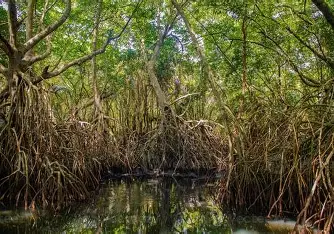
Habitat Fragmentation & Loss: Rapid coastal development, aquaculture conversion, and land-use change have fragmented mangrove and salt marsh ecosystems into isolated patches, disrupting species movement, gene flow, and ecological functionality. 40-60% ecosystem loss over 30 years.
Species Population Decline: Fragmentation and habitat degradation drive population collapse in migratory birds, endangered fish species, and keystone invertebrates. Seagrass coverage declining 2-3% annually in surveyed zones.
Ecosystem Resilience Erosion: Degraded habitats lose functional diversity, carbon storage capacity, and climate adaptation potential. Coastal squeeze from sea-level rise and development leaves ecosystems unable to migrate or regenerate naturally.
Methodology
The project employs a rigorous, adaptive restoration methodology combining ecological baseline assessment, habitat mapping, science-driven restoration implementation, and long-term biodiversity monitoring to achieve measurable species recovery and ecosystem resilience.
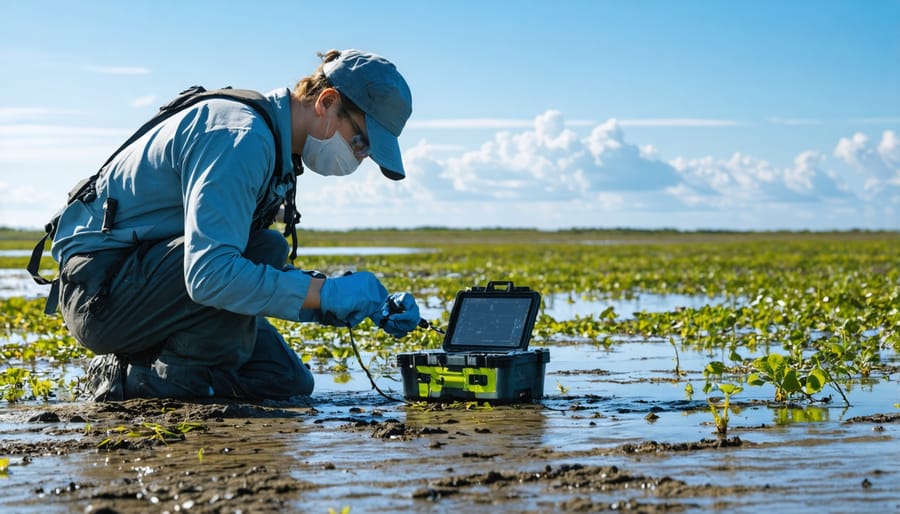
Comprehensive biodiversity surveys establish baseline species distributions, habitat condition, ecosystem connectivity, and climate vulnerability—informing restoration prioritization.
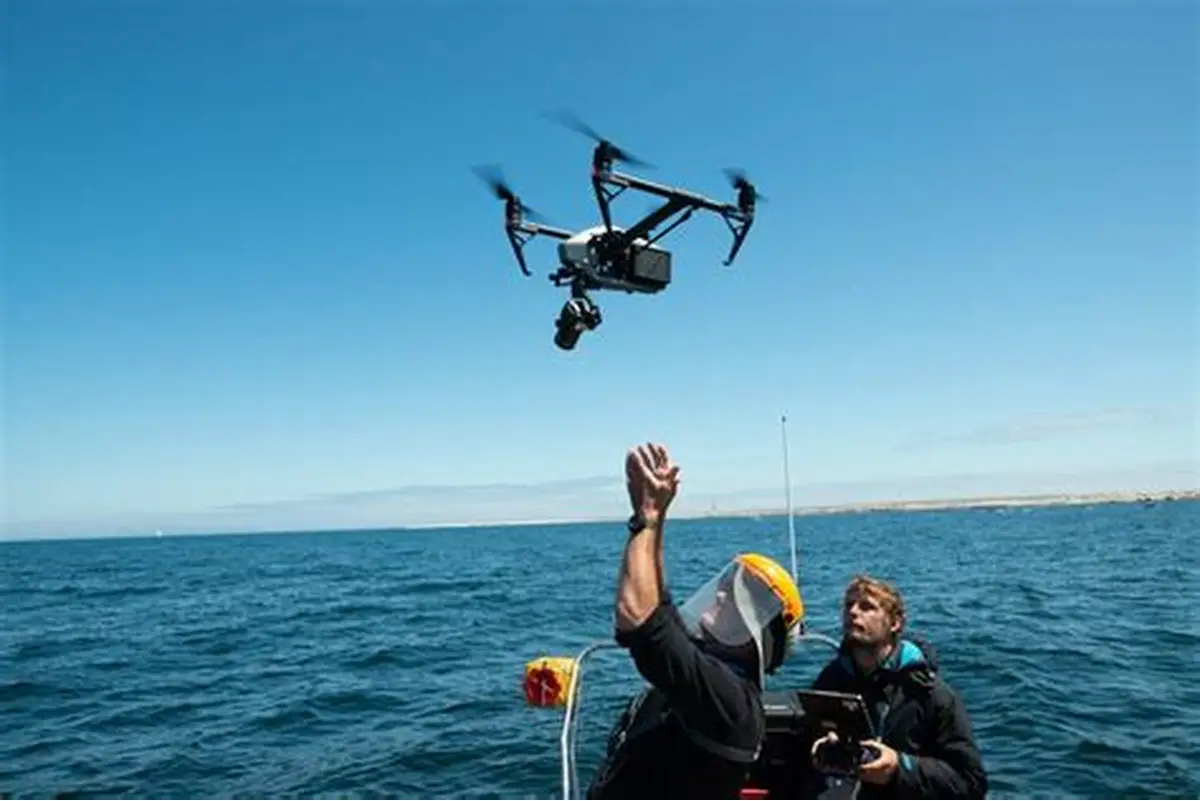
GIS analysis, drone surveys, and ecological modeling identify restoration zones, reconnection priorities, and species-specific habitat requirements guiding implementation strategy.
Implementation of mangrove rehabilitation, seagrass restoration, and habitat corridor reconnection. Species translocation and assisted migration where needed to accelerate recovery.
Continuous species monitoring, habitat quality assessment, and restoration performance evaluation enabling evidence-based adaptive management and response to ecosystem changes.
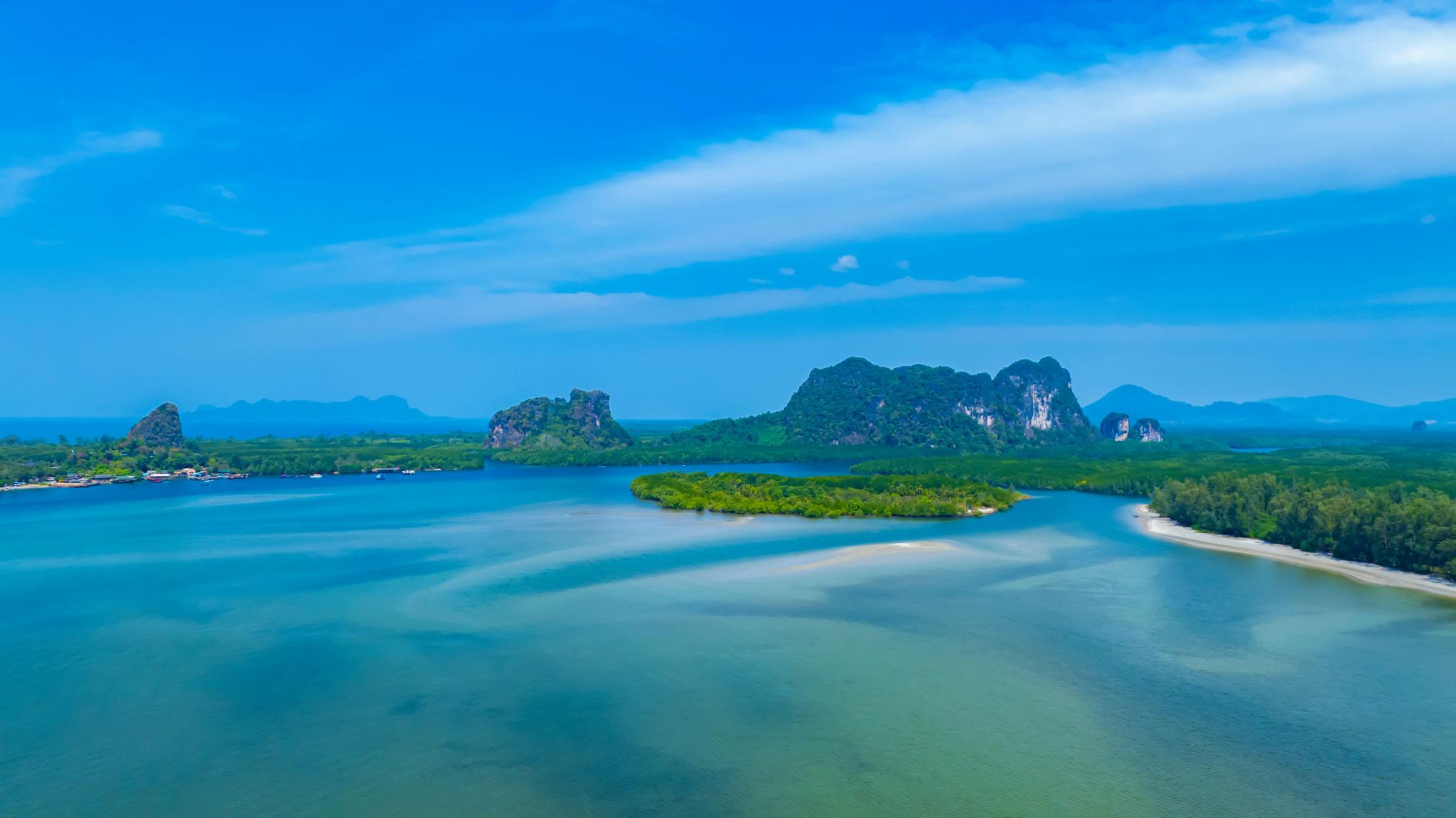
9,200 hectares of mangrove, salt marsh, and seagrass ecosystems restored with verified vegetation regeneration and ecological functionality recovery.
287+ species monitored; population recovery documented in priority species; genetic diversity restored through connectivity and translocation programs.
64 fragmented habitat corridors reconnected enabling species migration, gene flow, and landscape-scale ecosystem resilience—restoring ecological functionality.
Permanent biodiversity monitoring infrastructure enabling 20+ year species population tracking, habitat quality assessment, and restoration performance evaluation.
Restored ecosystems demonstrate improved climate adaptation capacity; sea-level rise and storm surge buffering capacity restored; ecosystem carbon storage recovered.
23 community conservation groups trained and equipped; participatory monitoring programs operational; local stewardship capacity for long-term ecosystem management established.
"Phyterra's scientific rigor, adaptive restoration approach, and community engagement model transformed our coastal conservation strategy. The combination of species-level monitoring, habitat connectivity restoration, and local stewardship created measurable biodiversity outcomes—demonstrating that large-scale ecosystem recovery is scientifically achievable and socially meaningful."
Dr. Elena Vasquez
Director, Coastal Biodiversity & Ecosystem Restoration