Advanced coastal carbon intelligence program quantifying carbon stocks, monitoring sequestration dynamics, and supporting climate mitigation strategies through science-based ecosystem assessment. Blue carbon ecosystems store large volumes of carbon in biomass and sediments, making them critical natural assets for long-term climate mitigation and carbon accounting.
Overview
The Blue Carbon Monitoring Project establishes a structured carbon intelligence framework for coastal ecosystems. The program develops carbon inventories, maps coastal ecosystem carbon distribution, and monitors sequestration pathways across mangrove, salt marsh, and seagrass environments. The resulting evidence base supports climate reporting readiness, carbon management decisions, and long-term monitoring of ecosystem carbon performance.
Core Strategy: Build a verifiable carbon baseline across 14,500 hectares; quantify aboveground and belowground carbon pools; track sequestration over time through MRV-aligned field and geospatial methods; and deliver decision-support for climate mitigation, carbon credit readiness, and nature-based climate action.
Challenge
Lack of Accurate Carbon Inventories: Coastal wetland carbon stocks are often estimated from sparse datasets, limiting confidence in baseline values and project-scale carbon accounting.
Insufficient MRV Systems: Many sites lack measurement, reporting, and verification frameworks needed to track carbon change consistently over time and support climate finance requirements.
Carbon-Rich Ecosystem Loss: Degradation, drainage, and land conversion reduce carbon storage capacity in mangroves, marshes, and seagrass meadows, creating major data gaps in sequestration monitoring and climate reporting.
Methodology
The project applies a carbon-focused methodology combining field sampling, remote sensing, spatial modeling, and long-term station-based monitoring to quantify blue carbon stocks, evaluate sequestration potential, and develop MRV-ready reporting outputs for climate and finance stakeholders.
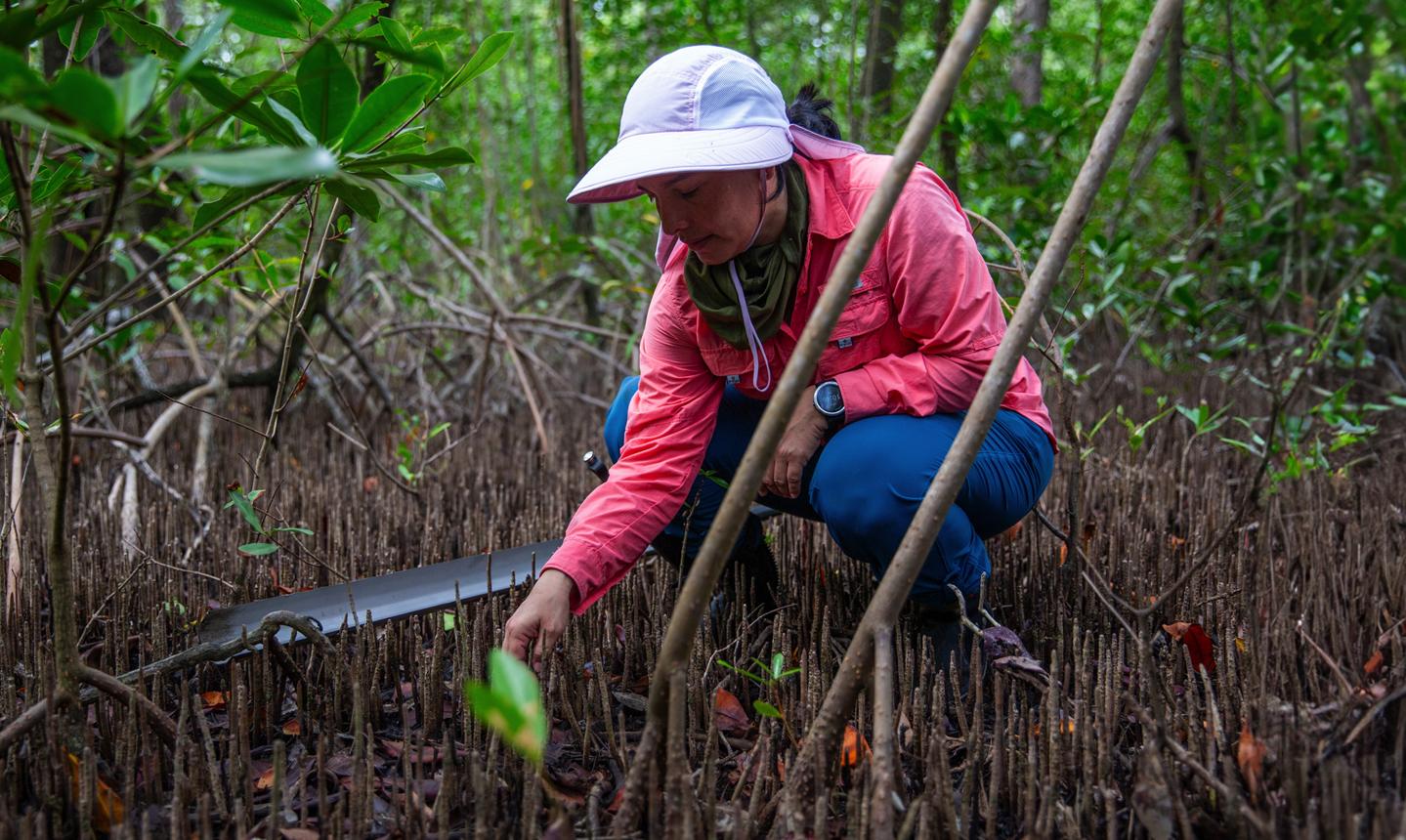
Establishes the initial carbon inventory through soil carbon analysis, biomass estimation, sediment profiling, and ecosystem stratification to define baseline carbon stocks.
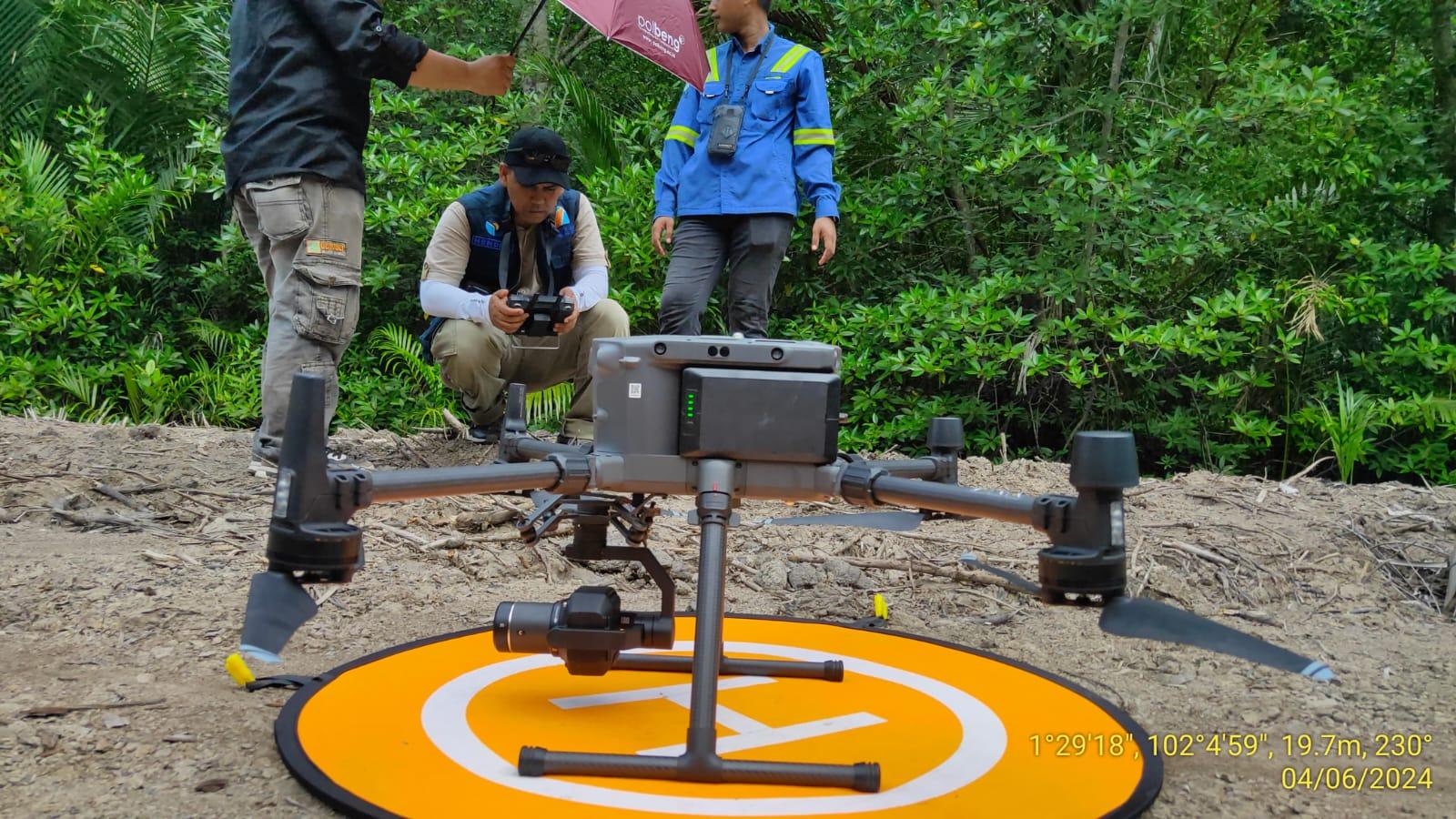
Combines drone mapping, LiDAR assessment, and GIS analytics to map canopy structure, habitat extent, and spatial patterns of carbon density across coastal wetlands.
Validates remotely sensed estimates using biomass plots, sediment coring, soil carbon laboratory analysis, and site-level verification for carbon accounting accuracy.
Applies carbon forecasting, change detection, and MRV framework development to track sequestration trends and sustain long-term monitoring for climate reporting.
A verified carbon baseline was created across mapped coastal wetlands, providing a reference for stock quantification, future comparisons, and reporting integrity.
High-density carbon zones were delineated to support prioritization of conservation, management, and potential climate finance opportunities.
Long-term sequestration potential was modeled using ecosystem condition, sediment depth, and vegetation structure to estimate climate mitigation value.
Measurement, reporting, and verification workflows are operational, enabling repeatable monitoring and auditable carbon assessment outputs.
Project data now supports climate reporting, carbon disclosure, and alignment with blue carbon accounting requirements.
Nature-based climate solutions were screened for carbon value, long-term monitoring feasibility, and potential readiness for climate finance pathways.
"The project delivered a scientifically robust blue carbon baseline with clear MRV logic, defensible carbon estimates, and practical monitoring tools. It improved our ability to interpret carbon stocks, track sequestration change, and identify climate mitigation opportunities with confidence."
Senior Climate & Carbon Intelligence Advisor
Blue Carbon Programs Directorate